Creating and holding space: reflections from facilitating the Becoming a Force of Nature programme
Hear from Julia and Jake as they reflect on their experiences of facilitating our flagship Becoming a Force of Nature programme. Jake originally participated in Becoming a Force of Nature and trained as a facilitator through our 'Train the Trainer Programme' (now the Facilitator Training) in 2021. Julia completed the Becoming a Force of Nature programme and Facilitator Training in 2024.
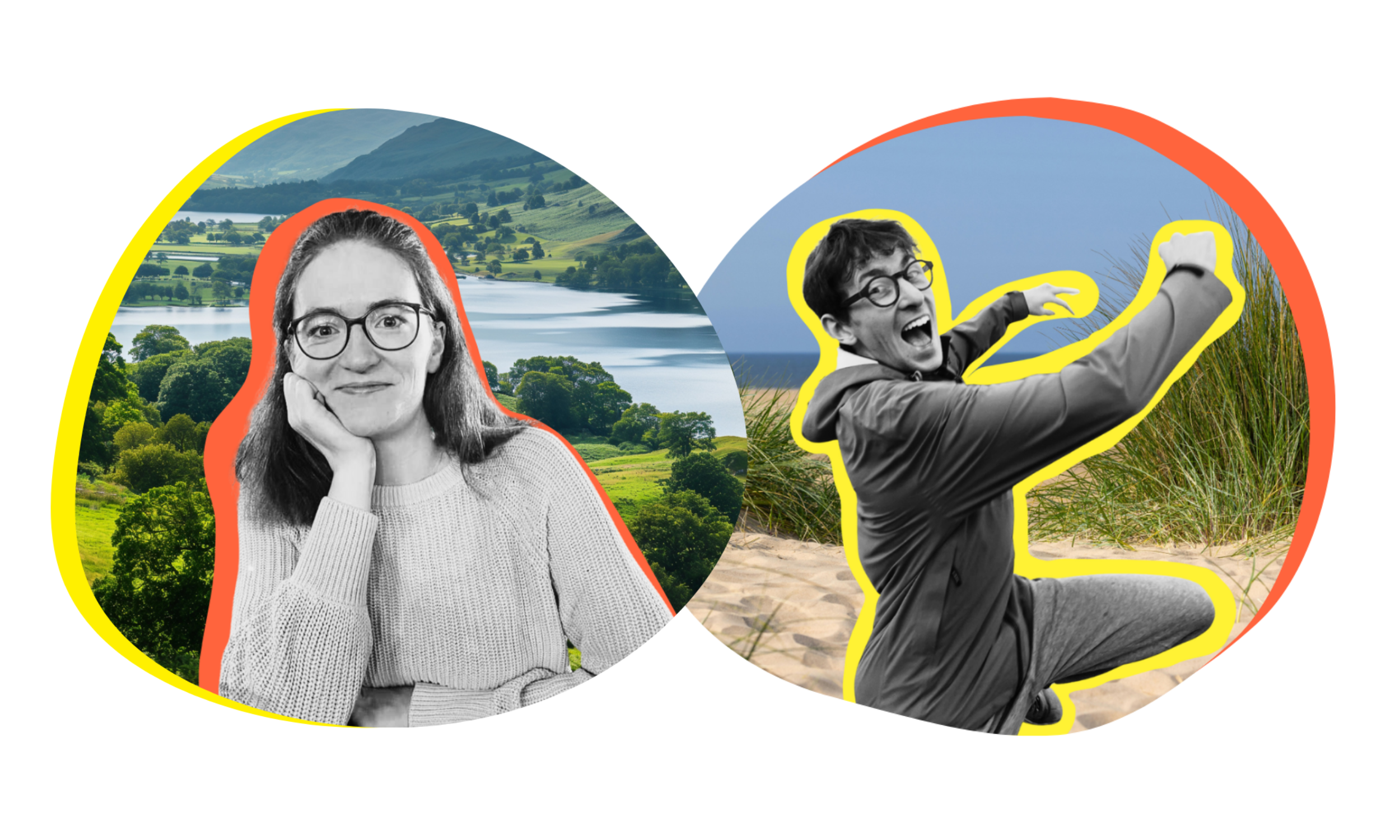
Left: Julia Römer. Right: Jake Causley.
The Becoming a Force of Nature programme (BaFoN) is exactly what is very much missing in young people’s education and everyday lives: an informal space led by young people for young people to come together, share experiences, and learn with each other about all things climate. The programme supports young people in their sensemaking of the social and ecological crises; it spurs conversations around their personal feelings and lived experiences, encourages them to reflect on the relationship between the climate crisis and our mental health, whilst bringing together a diverse group of young people. This programme, this space, helps validate and take young people’s emotions seriously. Filling this gap is why the Force of Nature community and this informal peer-to-peer educational space are so important.
“...an informal space led by young people for young people to come together, share experiences, and learn with each other about all things climate. ”
The programme is run over the course of three online workshops, and our role as facilitators is to hold spaces for small group discussions, presentations and individual reflections, as well as to provide resources and activities to engage with in-between sessions. The aim is to find answers to the questions:
What do I stand for?
What am I good at?
How can I channel my emotions into action?
While building community, we explore our personal 'why', discuss how the ongoing multiple crises impact our mental health, reflect on our strengths, and identify opportunities as well as barriers to climate action. By sharing personal insights and stories in small groups, we also learn about some effective ways to address climate-related emotions and what resources and further mental health support could help us move forward. These sessions highlight the importance of peer-to-peer spaces. As facilitators, we openly communicate that we are not trained psychologists and signpost all participants to further mental health support.
Each workshop is run by two co-facilitators. The facilitators have the flexibility to personalise the training content, so we can bring our own experiences and ideas to the programme and evolve the session structures. For example, this year, one of the groups engaged in a short guided meditation exercise; attendees pointed out afterwards how amazing it was that people, spanning across the whole globe from Cameroon to India and Europe, were unified and connected in that moment, together. In the second group, it became a surprising but constant part of the sessions to actively invite not only our personal experiences, but also to share direct links to relevant resources, blogs, funding opportunities, social media channels, other programmes and support. The number of links shared during each session showed what’s already working well in the climate space, and that there are lots of other spaces, internationally, that young people recommend that support them in their interest, care and passion for the environment and climate action more broadly.
This year, more than 1600 young people signed up for the programme. This shows growing interest in engaging in conversations and action around the polycrisis and sharing our ways of experiencing, feeling and coping, whilst wanting to take action. As part of the facilitator team, we were very excited about the opportunity to create such a space for this diverse and large cohort joining from all over the world. At the same time, it meant we needed to be mindful of the many different lived experiences of direct climate change impacts that participants would bring to the programme and talk about. Fortunately, being a BaFoN facilitator is very well supported from the start. Experienced facilitators and members of the FoN team provide resources, advice, and meetings so you can bounce off ideas, questions, and gain confidence in facilitating conversations on emotional or sometimes controversial topics.
A conversation can go a long way
The impact of the programme on participants is often not measurable through feedback forms alone, but remains rather invisible and lies in the brief encounters between participants themselves. It is inspiring to see how those spark new ideas, uncover shared interests and encourage them to work together in future projects. From some participants, we already heard through follow-up messages that, having had a conversation in a breakout room activity once, or from staying in touch afterwards through the Mighty Networks platform, they are now collaborating on setting up their own climate café in their local area. Almost like a ripple effect, it is this impact that starts small, which emphasises the need for informal training spaces like the BaFoN programme. Equally, this is a huge motivator for us, as facilitators, to continue to create and hold those vital and much-needed conversations with even more young people in the future.
The most recent round of facilitators comes from France, the UK, Germany and Colombia. We love getting to know our fellow facilitators really well. It became a highlight of the week to check in with the other co-facilitator ahead of the next session to debrief, share and plan ahead. Looking back, delivering the BaFoN programme was so incredibly rewarding - you realise just how many people need the space that you are creating, and how they value the guidance which you are sharing. It makes for some special moments connecting you to new, like-minded people across the world!
What’s next?
Young people who completed the Becoming a Force of Nature programme have carried on learning with Force of Nature and taken part in Skills-Based Training Pathways focusing on public speaking, consulting and facilitating (which is what we took part in). Now they’re part of the Force of Nature community, they’ve continued getting to know other young people who share similar interests and experiences, some might be further exploring how they can turn their ideas sparked through the programme into action, and some might become facilitators themselves and engage in conversations with others in and outside the Force of Nature community. There are so many stories of young people’s actions to learn about, in which the BaFoN programme was just one or maybe the first step.
For us, as facilitators, we all continue our facilitation journeys in different ways and bring this experience into our jobs, studies and engagement – and, of course, the next Becoming a Force of Nature rounds. So, if you want to become part of the Force of Nature community, join us and apply for the next training programme.